Building the Outstanding Custom Fruit and Vegetable Boxes: A Detailed Tutorial
Designing custom produce boxes calls for a strategic strategy. Professionals must consider sustainability, functionality, and aesthetics. Picking the right materials is vital for preserving quality and promoting eco-friendly practices. Additionally, size and configuration can greatly influence ease of use and transport effectiveness. Compelling visual elements enhance company recognition, while thorough assessment guarantees durability. Understanding these components will reveal key understanding into producing exceptional packaging solutions that resonate with customers. What follows is vital to achieving those targets.
Determining the Best Options for Custom Produce Boxes
When selecting materials for custom produce boxes, it is vital to evaluate both functionality and environmental consideration. The type of material substantially impacts the box's durability, weight, and ability to protect the contents. Common materials comprise corrugated cardboard, which renders strength and is able to be reused, making it a popular choice for eco-conscious businesses. Compostable options, such as molded pulp or plant-based plastics, also correspond with eco-conscious practices while providing adequate protection for delicate produce.
Furthermore, water repellency is crucial for preserving quality, prompting some manufacturers to explore treated materials or advanced protective layers. The aesthetic appeal of the box is important to consider, as packaging design and brand identity can affect customer outlook. Ultimately, the right material should find equilibrium between safeguarding the product, appealing to customers, and adhering to environmental standards, guaranteeing that practicality and eco-consciousness are emphasized in the design process.
How to Identify the Right Size and Shape for Practical Application?
When choosing the form and dimensions of custom produce boxes, thorough evaluation of produce dimensions is crucial for proper storage. Additionally, attention to handling and transport can impact the box structure, ensuring ease of movement. Maximizing storage space utilization further enhances functionality, enabling effective presentation and organization.
Review Produce Dimensions With Care
Determining the correct size and shape for vegetable containers is vital for smooth operations and productivity. Careful measurement of produce measurements is necessary, as it confirms that items fit tightly without extra room that might create damage during storage or transport. Specialized boxes need to handle various configurations, from soft berries to large vegetables, while maintaining durability. Additionally, the height and width of the boxes should support proper layering and inventory control, making the best use of space in distribution centers. A quality-built box not only preserves the produce but also enhances consumer appeal for shoppers. Ultimately, meticulous planning of dimensions aids in waste prevention and improving supply chain experience in the product distribution.
Examine Handling and Transport Procedures
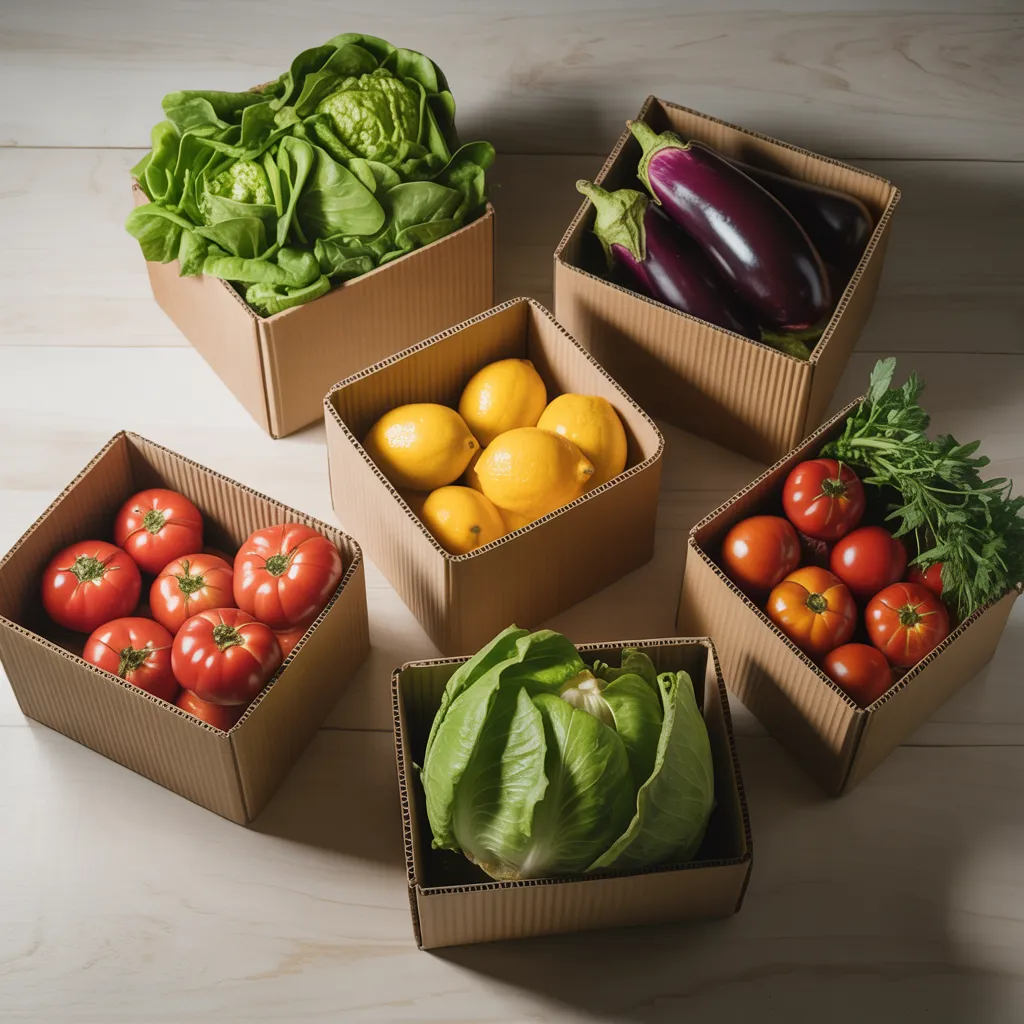
Handling and transport aspects have a significant role in defining the right dimensions and expert tips configuration of bespoke produce boxes. The dimensions must accommodate the items without unneeded space, that might lead to shifting and harm during transport. Small boxes make easier handling, whereas larger boxes might be necessary for bulkier products. Additionally, ergonomic design is important; grip points and access ought to be deliberately placed to allow for easy hoisting plus transport. The shape of the box also affects stacking with stability, guaranteeing which goods stay secure. Finally, thorough thought of these factors enhances the productivity of transport, minimizes item waste, while supports the overall soundness of the fresh goods beginning at farm toward consumer.
Optimize Shelf Space Utilization
Maximizing shelving performance depends on choosing the correct proportions and design of specialized agricultural containers. Planners should evaluate the size specifications of the shelving units as well as the types of produce being arranged. Straight-edged boxes often boost space efficiency, facilitating for more convenient organization and positioning. In contrast, non-standard forms can heighten design appeal but may create lost capacity if not properly structured.
It's important to analyze the inventory turnover rate; rapidly-moving items might benefit with smaller, conveniently positioned boxes. Also, integrating customizable or modular designs can enable different sizes of items while improving storage layout. By highlighting functionality and aesthetic considerations, businesses can fashion a practical and attractive display that strengthens both accessibility and item visibility.
How to Build Graphics That Get Notice?
Engaging visuals can transform a basic custom produce box into a stunning display that captures interest. To accomplish this, designers should begin by selecting a color scheme that reflects the freshness and vibrancy of the produce. Vibrant, eye-catching colors can inspire feelings of freshness and wellness, compelling consumers to take a second glance.
Strong typefaces remains crucial; clear and legible fonts can adeptly convey essential information while enhancing design value. Additionally, applying excellent images of the products can establish instant connection, showcasing the product's quality and engaging prospective purchasers.
Furthermore, incorporating unique patterns or illustrations can help set apart the brand in a busy market. Alignment in design elements, such as logos and taglines, solidifies brand identity. Ultimately, a blend of inventiveness and precision in graphic design can greatly lift the power of custom produce boxes, making them gain attention on shelves.
Eco-Friendly Practices for Custom Produce Box Packaging Solutions
A mounting number of businesses are adopting environmentally responsible standards for custom produce box packaging, recognizing its importance in today's ecologically aware market. These protocols often include the use of degradable materials, such as recycled paper and plant-based plastics, which curtail environmental impact. Companies are also zeroing in on conscientious sourcing, verifying that materials are obtained from responsibly managed forests or suppliers who copyright environmental stewardship.
Additionally, many brands are selecting minimalistic layouts that reduce waste while still effectively showcasing their products. This approach not only attracts environmentally aware consumers but also helps in cutting down production costs. Moreover, businesses are increasingly adopting streamlined manufacturing processes that limit energy consumption and waste generation. By integrating these eco-friendly practices, companies not only improve their brand image but also contribute positively to the planet, aligning their operations with a sustainable future.
Testing Your Custom Produce Box Design
Testing the design of custom produce boxes is an crucial step in ensuring they meet both visual and functional needs. This procedure typically includes evaluating elements such as strength, size, and usability. First, prototypes must be developed to evaluate the container's physical stability, ensuring it can withstand transportation and keeping without damaging the contents.
Next, user experience evaluations can be performed to assess how easily the boxes can be unlocked, closed, and arranged. Feedback from potential users can be invaluable in this phase, providing insights into the box's practicality.
Additionally, the visual impact of the design should be examined through surveys or focus group sessions, gauging consumer feedback to branding elements, colors, and overall presentation.
In the end, comprehensive evaluation enables designers to enhance the box, ensuring it not only attracts customers but also adequately protects and displays the produce within, achieving the right equilibrium between form and function.
Successfully Market Your Made-to-Order Produce Boxes
Successful promotion of personalized vegetable containers demands a strategic approach that highlights their distinctive advantages and value. Companies should focus on determining their target audience, whether they are local farms, grocery stores, or individual consumers. Leveraging social media platforms can amplify market visibility, displaying the boxes' design and practicality through engaging visuals and storytelling.
Moreover, collaborating with local influencers or farmers can enhance credibility and broaden reach. Providing special deals or reduced prices during peak seasons can draw first-time buyers and encourage repeat business.
Furthermore, emphasizing sustainability and eco-friendliness in marketing materials can engage sustainability-focused buyers. Presenting detailed information about material sources and the advantages of custom packaging can further set apart the brand in a competitive market.
Ultimately, a comprehensive advertising plan that blends web-based and local activities will successfully publicize custom produce boxes, appealing to a heterogeneous clientele and generating sales.
Frequently Asked Questions
What Are the Costs Associated With Custom Produce Box Design?
Fees regarding custom produce box design feature materials, print production, labor, and freight. Also, design consultation and order thresholds can determine total costs, bringing about different pricing structures based on unique needs and production size.
What Length of time Is Needed to Make Tailored Boxes?
Creating custom boxes normally takes two to six weeks during the production phase. Multiple elements that affect this timeframe are design intricacy, sourcing of materials, and manufacturing capability, each of which can alter delivery timelines and lead times.
May I Place an Request for a Minimal Batch of Bespoke Produce Boxes?
Yes, limited amounts of bespoke produce containers can generally be ordered. Many providers offer minimum order quantities, enabling businesses or individuals to procure personalized packaging options without needing to commit to large amounts initially.
Which Common Errors Should Be Avoided in Custom Box Development?
Typical errors in custom box layout encompass neglecting functionality, ignoring brand consistency, underestimating material quality, not considering target audience preferences, and overlooking environmental impact. Each aspect is essential for effective packaging and customer satisfaction.
What Precautions Should I Take to Ensure My Boxes Are Food-Safe?
To ensure boxes are safe for food, one must select materials certified for food contact, prevent harmful inks and adhesives, maintain cleanliness during production, and frequently check for compliance with health regulations and safety standards.